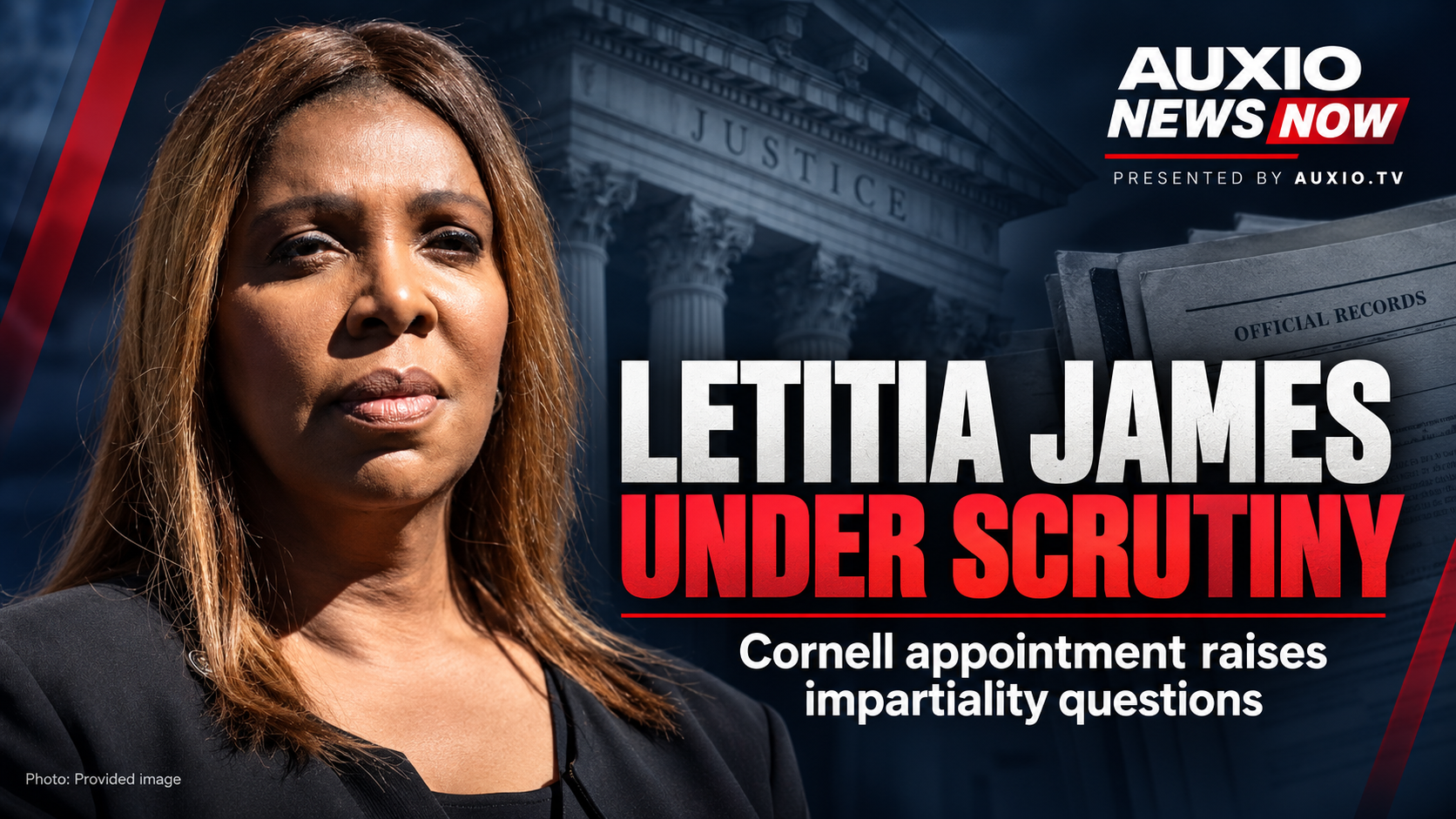
ALBANY, N.Y. — New York Attorney General Letitia James has taken responsibility for a renewed investigation into sexual assault allegations at Cornell University, placing questions about prosecutorial impartiality and due process at the center of an increasingly scrutinized case.
On October 1, Governor Kathy Hochul signed an executive order assigning the Attorney General’s Office to investigate an alleged sexual assault that occurred at Cornell in October 2024.
James confirmed the appointment in an official statement, emphasizing her office’s responsibility to conduct a fair investigation.
“Every New Yorker deserves to know that when they report a crime, it will be investigated fully and fairly.”
James also pledged to lead an investigation guided by the facts and the law.
The appointment follows renewed attention to allegations involving several former Cornell fraternity members. The underlying allegations remain contested, and an investigation does not establish criminal guilt.
The case has also generated questions concerning public comments James made before receiving the special-prosecutor assignment.
Those questions are relevant because New York’s Rules of Professional Conduct establish responsibilities for prosecutors, including restrictions on certain public statements that could prejudice legal proceedings.
Rule 3.6 addresses trial publicity, while Rule 3.8 establishes additional responsibilities for prosecutors and other government attorneys. Both provisions are included in New York’s official professional conduct rules.
However, expressing support for someone who reports an alleged crime does not automatically demonstrate bias or constitute professional misconduct. Whether a prosecutor’s statements create a legal conflict depends on the specific language, circumstances and applicable legal standards.
For James, the question is whether her office can conduct an investigation that protects the rights of the complainant while preserving the presumption of innocence and procedural protections owed to those accused.
Her office has publicly committed to doing so.
As the Cornell investigation proceeds, the Attorney General’s Office will face scrutiny over both the substance of its findings and the fairness of the process used to reach them.
The central issue is whether all parties can have confidence that the investigation will be decided by evidence rather than assumptions made before the investigation began.
Letitia James’s Cornell 7 Appointment Raises Questions About Prosecutorial Impartiality